Understanding Type 3 Diabetes of the Brain: Symptoms, Causes, and Recovery
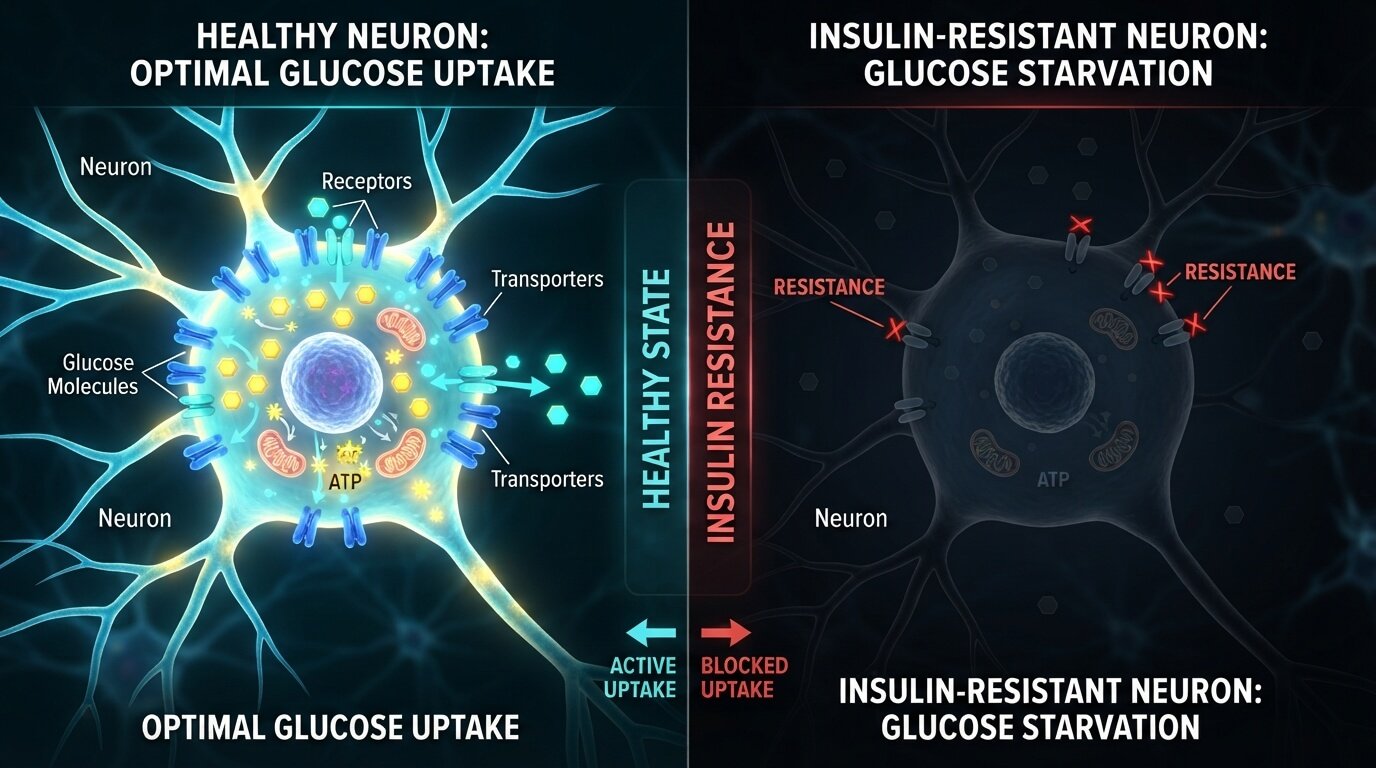
While most people are familiar with Type 1 and Type 2 diabetes, leading neuroscientists are increasingly using the term "Type 3 Diabetes" to describe a severe, localized form of insulin resistance occurring directly inside the brain.
Why Neurons Need Insulin to Form Memories
Insulin is traditionally understood as a blood sugar regulator, but inside the central nervous system, its primary function is cognitive survival. Neuronal insulin receptors govern synaptic plasticity—the brain's ability to create new connections, process information, and store long-term memories.
When brain cells become resistant to insulin, glucose can no longer enter the cells effectively. Starved of vital energy, neurons begin to misfire, shrink, and eventually lose their ability to communicate with one another.
The Toxic Link to Heavy Metals
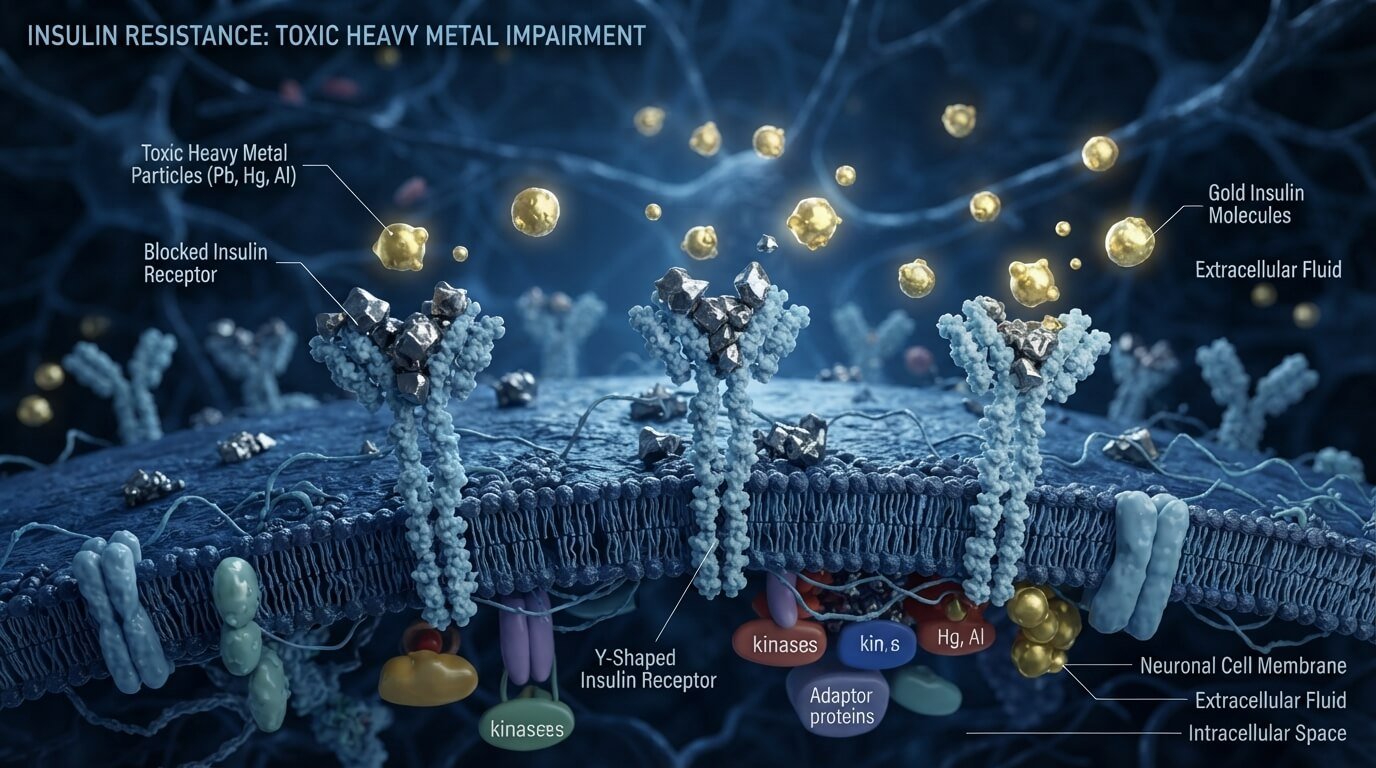
Brain insulin resistance rarely happens in a vacuum. Advanced microscopic studies reveal that heavy metal accumulation—particularly Cadmium Chloride—directly corrupts insulin receptor sites. This environmental toxicity creates a dual threat: the receptors are physically blocked while oxidants degrade surrounding cell membranes.
Key Indicators of Brain Insulin Resistance
Recognizing the early signs of Type 3 Diabetes allows for early intervention before irreversible damage occurs:
- Frequent disorientation or forgetting why you entered a room
- Misplacing familiar items (keys, glasses, phone) multiple times a day
- Struggling to follow complex conversations or instructions
- Mood shifts and sudden irritability linked to mental fatigue
Can Neuronal Receptors Be Restored?
Reversing brain insulin resistance requires a two-step approach: removing the toxic heavy metal blockages and delivering targeted nutrients that reactivate cellular insulin pathways. Specialized botanical formulations using advanced micro-milling technology have shown remarkable promise in bypassing acid breakdown to restore nutrient flow directly across the blood-brain barrier.
Reactivating Brain Energy Pathways
To learn how the Icarian honey anthocyanin formula helps flush toxins and restore brain insulin sensitivity, check out our comprehensive MemoHoney Review.